Sign up for VIP Early Access
Longboard vs Shortboard: Which Surfboard Is Right for You?
Compare longboards and shortboards to find the best surfboard for your skill level and wave conditions.
9 min
Understanding Different Types of Surfboards
Choosing the right surfboard can shape your entire surfing experience. Two of the most common surfboards you will hear about are longboards and shortboards. Each board type offers a completely different feel in the water and is designed for different surfing styles and skill levels. Longboards are known for stability and smooth rides, while shortboards are built for speed and sharp turns. Understanding how these boards perform in different wave conditions will help surfers choose the best surfboard that matches their experience level and surfing goals.
Longboards: Stability and Smooth Surfing
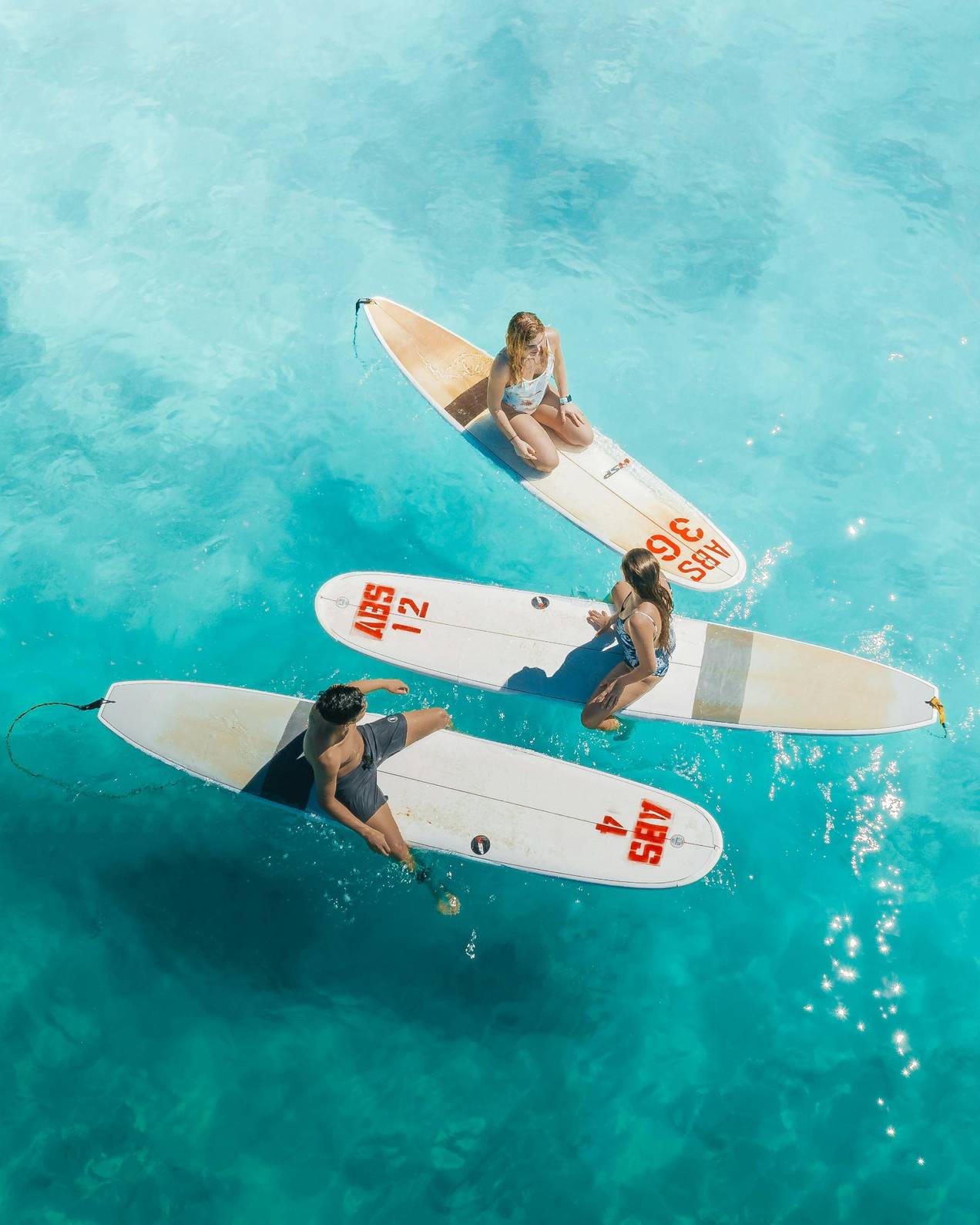
Longboards are typically between 8 and 10 feet long and are ideal for beginners and relaxed surfing styles. Their extra length and volume make paddling easier and help surfers catch waves earlier. This stability allows beginners to learn balance and improve their technique with fewer wipeouts. Longboards also work well in smaller waves and slower conditions, which are common at many beginner friendly surf spots. Because of their smooth and flowing style, longboarding has become a popular surfing discipline that focuses on graceful movement and longer rides.
Shortboards: Speed and Performance
Shortboards are designed for advanced surfing and high performance maneuvers. These boards are usually between 5 and 7 feet long and are built for speed, quick turns, and powerful wave riding. Because they are smaller and less stable, shortboards require stronger paddling skills and better wave timing. They perform best in steeper and more powerful waves where experienced surfers can generate speed and perform maneuvers like cutbacks and snaps. While they may look exciting, beginners usually progress faster by starting on larger boards before transitioning to shortboards.
Choose a Board That Matches Your Journey
Both longboards and shortboards offer unique surfing experiences. The best choice depends on your skill level, the waves you surf, and the style you enjoy. Beginners often benefit from the stability of longboards, while experienced surfers prefer the responsiveness of shortboards. Surfing is not about choosing the most advanced board but about finding equipment that helps you enjoy the ocean and improve over time. As your skills grow, experimenting with different board types can help you discover the surfing style that suits you best.