Sign up for VIP Early Access

Best Surfboard for Beginners: A Complete Guide to Choosing Your First Board
Learn how to choose the best surfboard for beginners with tips on size, stability, and board types.
9 min
Why Choosing the Right Beginner Surfboard Matters
Starting your surfing journey is exciting, but choosing the right surfboard for beginners can make a huge difference in how quickly you progress. Many new surfers make the mistake of starting with boards that are too small or advanced, which can make learning frustrating. A beginner friendly surfboard should provide stability, buoyancy, and easier paddling so you can focus on catching waves and building confidence. Understanding the different types of beginner surfboards and how size and volume affect performance will help you pick the right board for your first sessions in the water.
Soft Top vs Hard Top: What Beginners Should Choose
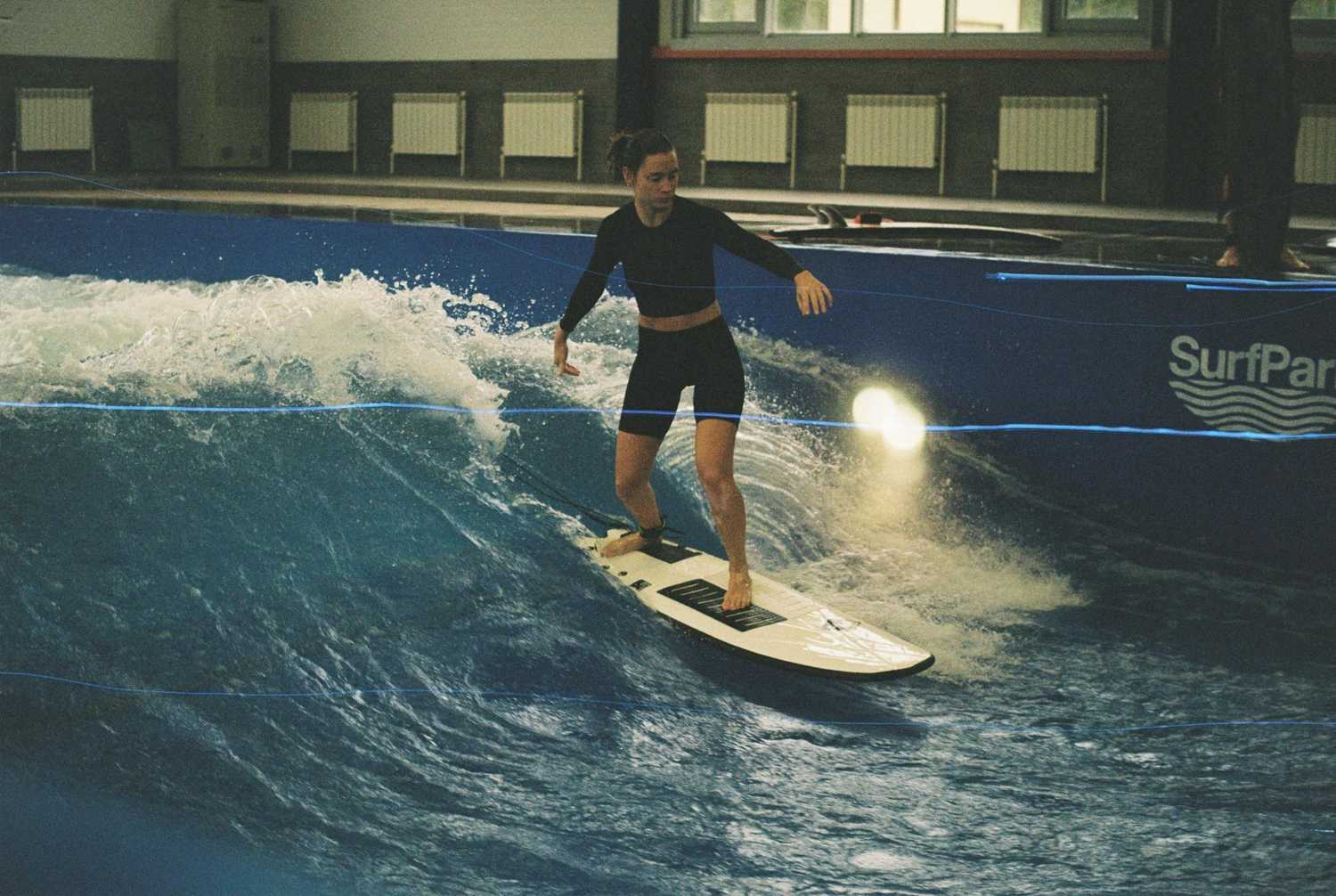
When looking for the best surfboard for beginners, you will often hear about soft top and hard top boards. Soft top surfboards are usually the best option for beginners because they are more stable, more forgiving, and safer in the water. Their extra volume helps with paddling and catching waves earlier. Hard top boards are more performance oriented and are typically used by intermediate or advanced surfers. If you are just starting to learn surfing basics, a soft top longboard or foam board will give you the stability and control needed to practice balance and wave timing.
Choosing the Right Surfboard Size and Length
Surfboard size plays a major role in how easy it is to learn surfing. Most beginners benefit from using a longer board, typically between 8 and 9 feet. Longer boards provide more surface area and volume, which improves balance and wave catching ability. A bigger board also helps beginners paddle more efficiently and stand up more easily. While shortboards might look exciting, they require more experience and skill. Starting with a longboard or beginner surfboard allows you to build technique, improve balance, and gain confidence before moving to smaller performance boards later.
Focus on Progress and Enjoy the Ride
Surfing is a journey that improves with patience and practice. Choosing the best surfboard for beginners can help make your early sessions more enjoyable and productive. A stable board with enough length and volume allows you to focus on wave timing, balance, and paddling instead of struggling to stay upright. As your skills improve, you can experiment with different board shapes and sizes. The most important part is spending time in the ocean, learning from each wave, and enjoying the experience of surfing.