Sign up for VIP Early Access
How to Read Waves: A Beginner’s Guide to Catching Better Surf
Learn how to read waves, spot the best breaks, and improve your surfing with simple techniques.
9 min
Understanding the Ocean Before You Paddle Out
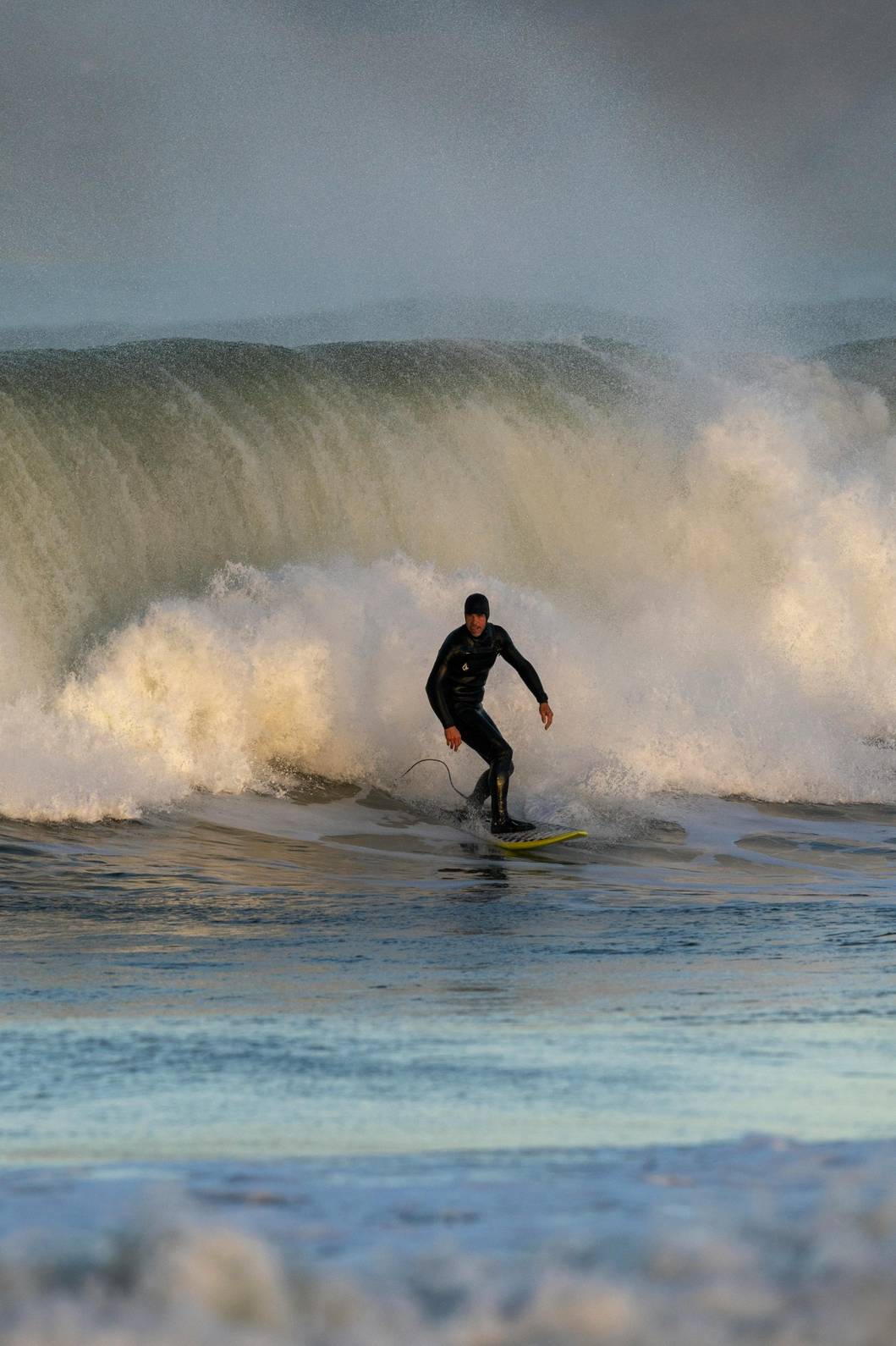
One of the most important surfing skills is learning how to read waves. Many beginners focus only on standing up on the surfboard, but understanding how waves form and break can dramatically improve your surfing experience. Reading waves helps surfers identify the best spots to paddle, avoid dangerous currents, and catch more rideable waves. By observing swell direction, wave shape, and how waves break along the beach, surfers can position themselves correctly in the lineup and increase their chances of catching smooth, clean rides.
Spotting the Best Waves in the Lineup
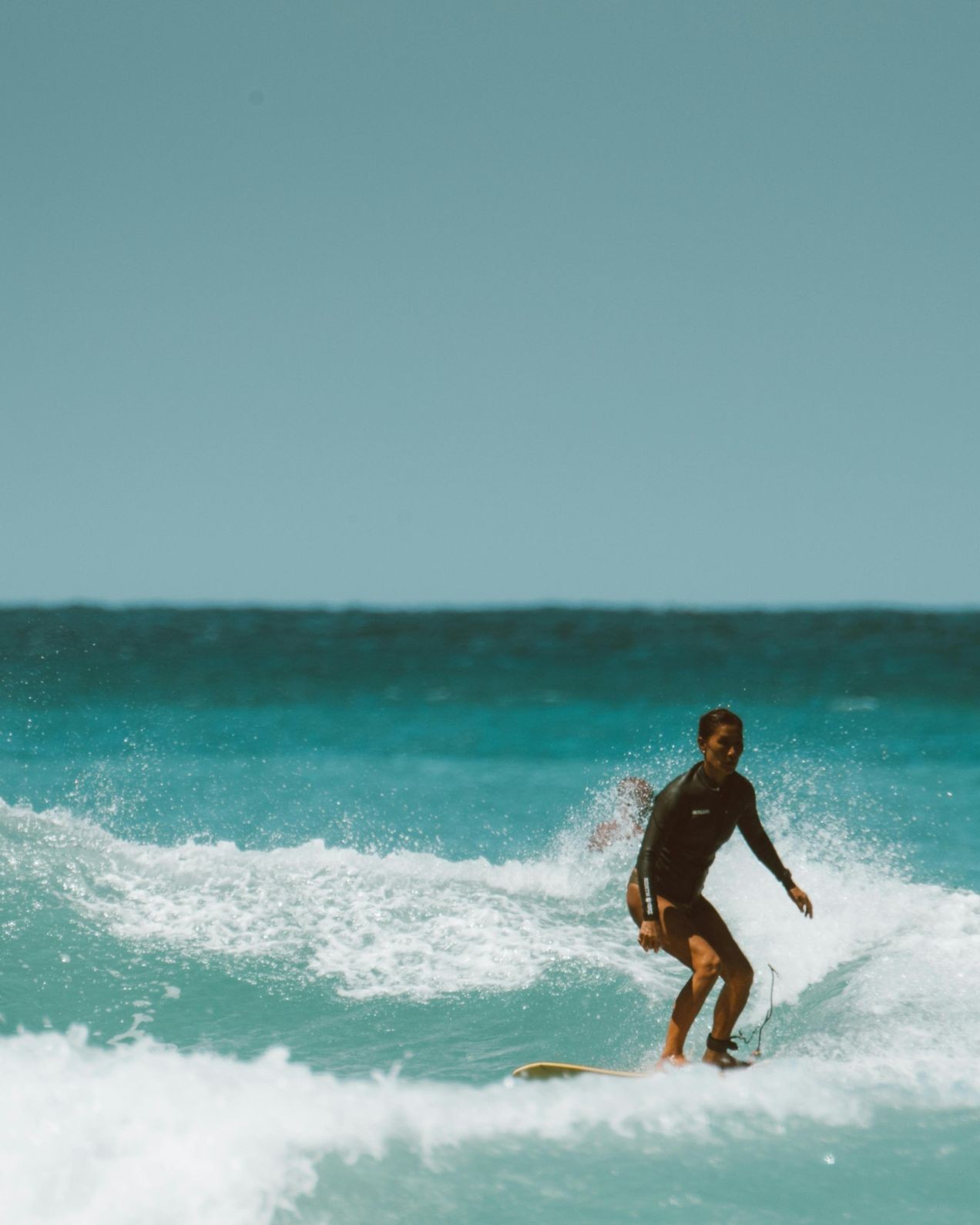
When you arrive at a surf spot, take a few minutes to watch the ocean before paddling out. Look for areas where waves break consistently and form clean lines toward the shore. Surfers often position themselves where waves peak, which is the highest point of the breaking wave. Avoid areas where waves close out quickly across the entire beach. Instead, search for waves that peel gradually from one side, allowing longer rides. Observing other surfers can also help you understand where the best takeoff zones are located.
Understanding Wave Direction and Timing
Wave timing is another key part of learning how to read waves while surfing. Sets of waves often arrive in groups followed by short calm periods. Watching the ocean for a few minutes helps you recognize these patterns. When a larger set approaches, position yourself early and start paddling toward the peak before the wave reaches you. Understanding wave direction also helps determine whether the wave will break left or right. Choosing the correct direction allows surfers to ride the open face of the wave instead of being caught in the breaking whitewater.
Final Set: Practice Makes Ocean Knowledge
Learning how to read waves takes time, patience, and observation. The more time surfers spend watching the ocean, the better they understand wave behavior and surf conditions. Each surf spot has its own personality, shaped by reefs, sandbars, tides, and swell direction. By developing the ability to read waves, surfers can catch more rides, avoid unnecessary wipeouts, and improve their overall surfing experience. With practice, reading the ocean becomes second nature and turns every surf session into an opportunity to progress.