Sign up for VIP Early Access

Best Time to Surf: Understanding Tides, Swell, and Wind
Learn how tides, swell direction, and wind affect surfing conditions and help you catch better waves.
9 min
Timing Your Surf Session
Surfing conditions change throughout the day depending on tides, swell size, and wind direction. Understanding when to surf can significantly improve your chances of catching better waves. Many beginners paddle out without checking surf conditions, which can lead to difficult or messy waves. Experienced surfers usually study surf reports and ocean forecasts before heading to the beach. Learning how tides, wind, and swell interact with the coastline will help surfers choose the best time to surf and enjoy cleaner, more rideable waves.

How Swell Direction Shapes the Waves
Swell is the energy that travels across the ocean and eventually forms waves at the shore. Different swell directions affect how waves break at each surf spot. Some beaches work best with south swells, while others perform better with west or northwest swells. The size and period of the swell also influence wave quality. Longer period swells often produce cleaner and more powerful waves. Understanding swell direction allows surfers to predict which beaches will have the best conditions on any given day.
Wind and Tide: The Key to Clean Waves
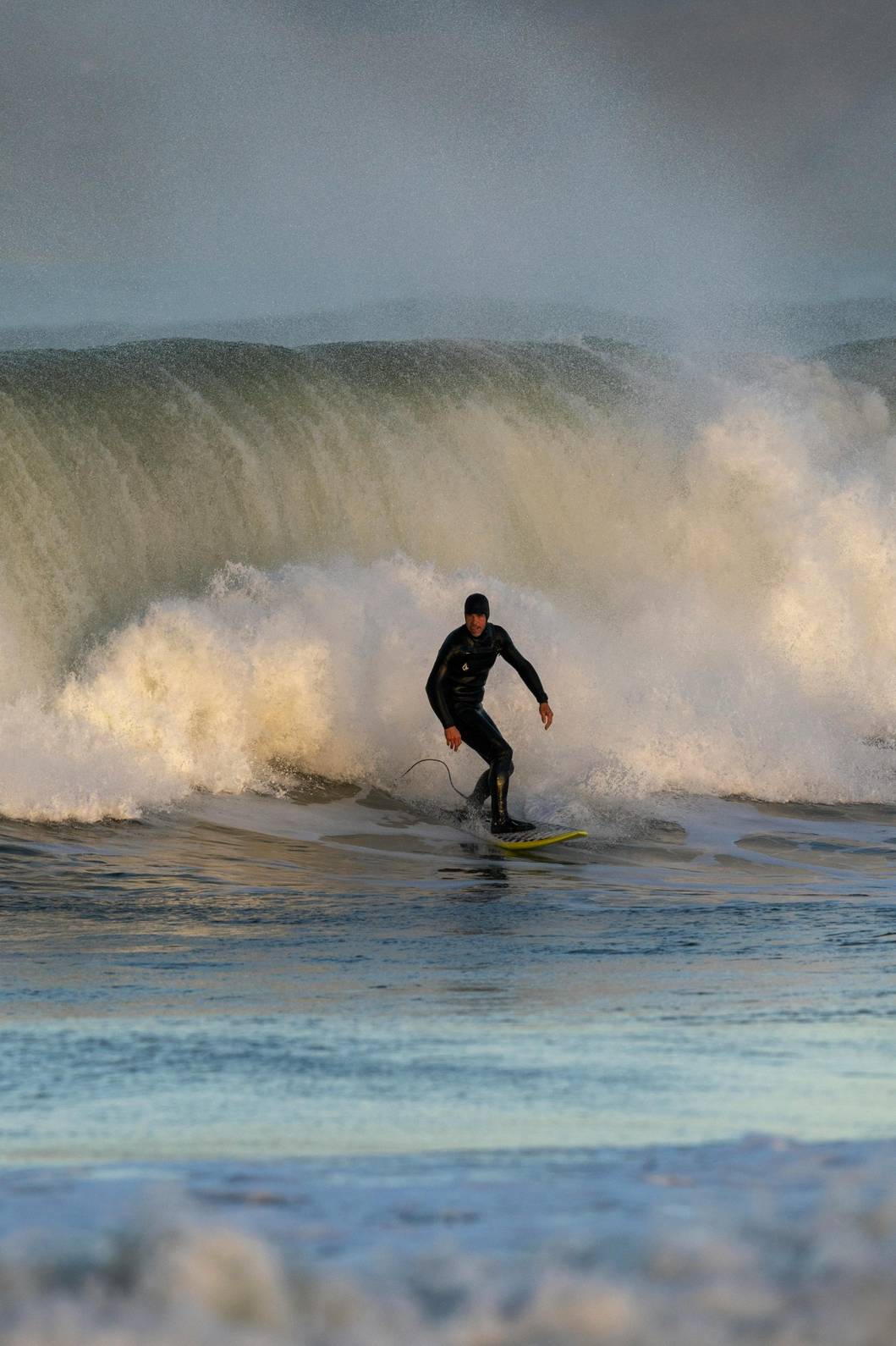
Wind and tides also play a major role in surf quality. Offshore winds, which blow from the land toward the ocean, usually create clean and well shaped waves. Onshore winds can make the ocean choppy and less enjoyable to surf. Tides can also change how waves break on sandbars and reefs. Some surf spots work best at low tide, while others improve during high tide. Checking tide charts and wind forecasts helps surfers plan sessions when the ocean conditions are at their best.
Final Set: Surf Smart, Not Just Hard
Great surfing sessions often come down to good timing. By understanding tides, swell forecasts, and wind patterns, surfers can choose the best moments to enter the water. Even the most famous surf spots can produce poor waves if conditions are not right. Taking time to observe the ocean and study surf forecasts helps surfers improve their wave selection and overall experience. With practice, reading surf conditions becomes a valuable skill that turns average sessions into memorable ones.